Introduction
Bathroom renovation is one of the most common and valuable home improvement projects in the United States. Whether upgrading an outdated bathroom or remodeling for comfort and accessibility, understanding costs and planning correctly can save homeowners time and money. This guide explains bathroom renovation costs, design options, and practical tips for U.S. homeowners.
Average Bathroom Renovation Costs in the USA
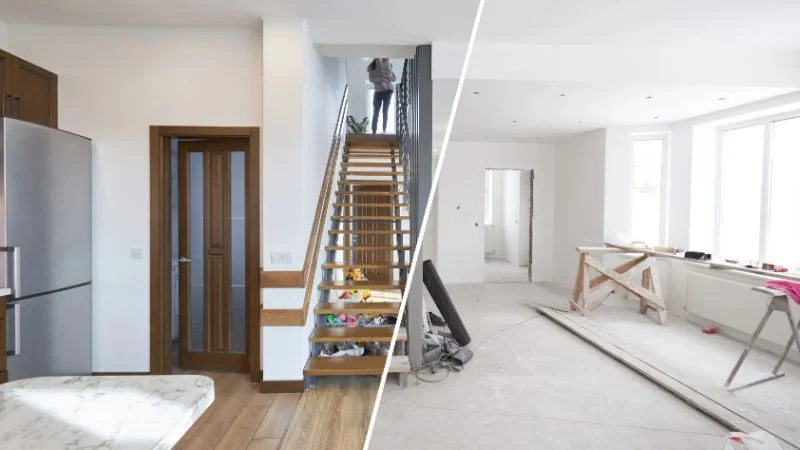
Bathroom renovation costs vary depending on size, materials, and location. In the U.S., a small bathroom remodel typically costs between $8,000 and $15,000, while a full master bathroom renovation can range from $20,000 to $40,000 or more.
Major cost factors include:
- Plumbing upgrades
- Tile and flooring
- Vanities and cabinetry
- Fixtures and fittings
- Labor and permits
Homes in major metropolitan areas often have higher labor costs.
Types of Bathroom Renovations
Bathroom renovations can be classified into three main categories:
Cosmetic renovation:
Includes painting, fixture replacement, and minor updates without changing the layout.
Mid-range renovation:
Involves new tile, updated plumbing fixtures, vanities, and improved lighting.
Full renovation:
Includes layout changes, plumbing relocation, waterproofing, and structural updates.
Choosing the right renovation type depends on budget and long-term goals.
Bathroom Layout and Space Planning
Efficient layout design improves comfort and usability. Popular bathroom layouts in U.S. homes include:
- Single-vanity bathrooms
- Double-vanity master bathrooms
- Walk-in shower designs
- Tub-to-shower conversions
Walk-in showers are especially popular for aging-in-place renovations.
Choosing Bathroom Materials
Durability and moisture resistance are critical in bathroom renovation. Common material choices include:
- Porcelain and ceramic tile
- Quartz and granite countertops
- Waterproof vinyl flooring
- Moisture-resistant drywall
High-quality materials reduce maintenance and extend lifespan.
Plumbing and Electrical Considerations
Plumbing and electrical work must meet local building codes. Upgrading old pipes and installing GFCI outlets are common requirements in U.S. renovations.
Professional installation ensures safety and compliance.
Lighting and Ventilation
Proper lighting improves functionality, while ventilation prevents mold and moisture damage. Exhaust fans are required by building codes in most U.S. states.
Hiring a Bathroom Renovation Contractor
Homeowners should hire licensed and insured contractors with bathroom remodeling experience. Written estimates and clear contracts help avoid disputes.
Return on Investment
Bathroom renovations typically recover 55–70% of costs at resale, making them a smart investment for homeowners.
Conclusion
Bathroom renovation enhances comfort, safety, and home value. With proper planning and professional execution, U.S. homeowners can achieve long-lasting results.