Introduction
Home renovation in the United States has become more than just a cosmetic upgrade. Whether driven by rising property values, lifestyle changes, or energy efficiency needs, a complete home renovation can significantly increase comfort and long-term value. However, without proper planning, renovation projects can quickly become expensive and stressful. This guide walks U.S. homeowners through the full renovation process, from planning to execution, with practical and realistic insights.

Understanding the Scope of Home Renovation
A complete home renovation typically includes structural improvements, interior remodeling, exterior upgrades, and system updates such as plumbing, electrical, and HVAC. The scope depends on the age of the home, local building codes, and homeowner goals. In the U.S., older homes often require compliance updates to meet modern safety and energy standards.
Planning Your Renovation Project
Planning is the most important phase of any renovation. Homeowners should begin by identifying priorities: functionality, resale value, energy efficiency, or aesthetics. Creating a renovation checklist helps keep the project organized.
Key planning steps include:
- Evaluating the home’s current condition
- Defining renovation goals
- Setting a realistic timeline
- Researching permit requirements in your state or city
Local building regulations vary across the USA, so it is critical to confirm permit requirements before starting construction.
Setting a Renovation Budget
Budgeting for home renovation requires balancing ambition with financial reality. In the U.S., the average whole-home renovation can range from $40,000 to over $150,000, depending on size and materials.
A smart renovation budget should include:
- Construction and labor costs
- Material expenses
- Permit fees
- Design fees
- Contingency funds (10–20%)
Unexpected costs are common, especially in older homes. Setting aside contingency funds prevents delays and financial strain.
Hiring the Right Renovation Contractor
Choosing the right contractor can determine the success of your renovation. Homeowners should look for licensed, insured, and experienced professionals familiar with local regulations.
Tips for hiring a contractor:
- Verify licenses and insurance
- Request detailed written estimates
- Review past projects
- Read online reviews
- Avoid large upfront payments
In the U.S., reputable contractors provide clear contracts outlining scope, payment schedules, and timelines.
Interior Renovation Considerations
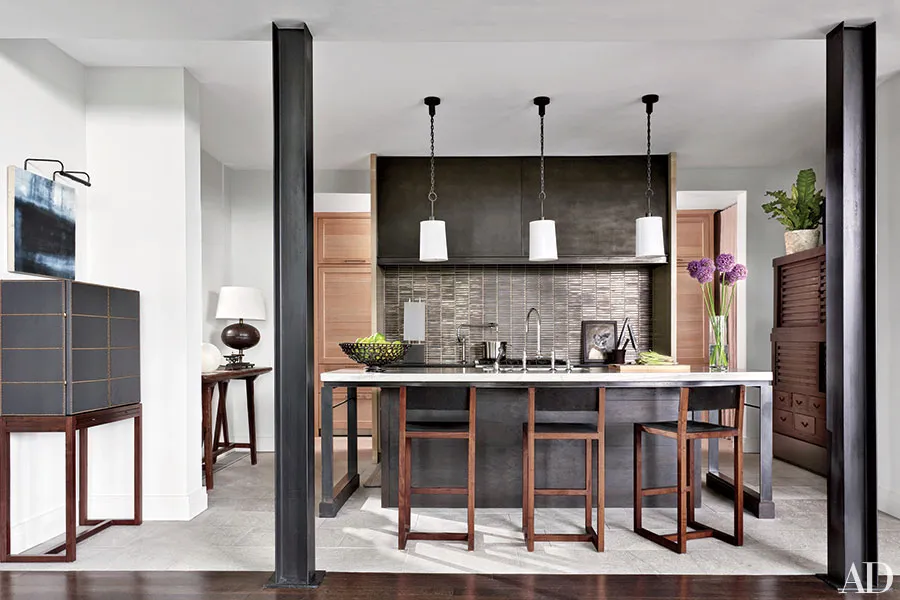
Interior renovation focuses on functionality and comfort. Popular interior upgrades include open floor plans, updated kitchens, modern bathrooms, and improved storage.
Key interior renovation areas:
- Kitchens: cabinetry, countertops, appliances
- Bathrooms: plumbing upgrades, tile, fixtures
- Flooring: hardwood, tile, luxury vinyl
- Lighting: energy-efficient LED systems
Modern American homeowners increasingly prioritize durable, low-maintenance materials.
Exterior Home Renovation
Exterior renovations enhance curb appeal and protect the home from weather damage. Common exterior upgrades in the U.S. include roofing replacement, siding installation, window upgrades, and deck renovations.
Energy-efficient windows and insulated siding can significantly reduce heating and cooling costs, especially in extreme climate regions.
Energy Efficiency and Smart Home Upgrades
Energy efficiency is a major renovation trend across the USA. Homeowners are investing in insulation upgrades, energy-efficient HVAC systems, solar panels, and smart home technology.
Benefits include:
- Lower utility bills
- Increased property value
- Federal and state tax incentives
Smart thermostats, automated lighting, and security systems are now standard in many renovated homes.
Managing the Renovation Process
Effective communication between homeowners and contractors ensures the project stays on track. Regular site visits, progress updates, and clear decision-making prevent misunderstandings.
Delays may occur due to material shortages or permit processing times, which are common in many U.S. cities.
Final Inspection and Completion
Once construction is complete, a final inspection ensures all work meets building codes and contract terms. Homeowners should review warranties, documentation, and maintenance instructions before making final payments.
Conclusion
A complete home renovation in the USA is a significant investment, but when done correctly, it enhances comfort, efficiency, and long-term value. With proper planning, budgeting, and professional support, homeowners can transform their properties into functional and modern living spaces.